
Breaking Down the Game in Real Time
In the middle of a match, there’s no time for long debates. That’s where video steps in especially slow motion and instant replay. Coaches and analysts lean hard on this tech to get quick reads on what just went wrong or right. Missed coverage in the back line? Midfield pressing too late? A few frames can reveal more than five minutes of sideline shouting ever could.
Using tablets or live feeds on the bench, staff catch tactical breakdowns and positioning errors almost as they happen. It’s surgical. A fast replay can show if a defender drifted or if the press was out of sync. That clarity helps coaches course correct in game, and more importantly, feed players concrete insight during halftime. No guessing. Just clean, visual facts.
Post play footage becomes fuel. Instead of vague advice “tighten the line” or “hold shape” coaches roll tape. Show, don’t tell. It gets buy in. Then they turn those findings into rapid adjustments: new marking assignments, changes in tempo, or a tweak in formation. Even a short clip, when used right, can shift momentum after the break or shape the next session entirely.
Precision Training with Visual Feedback
Video analysis does more than highlight mistakes it builds better athletes from the ground up. With visual feedback integrated into training, coaches and athletes are able to make faster, lasting improvements to movement, technique, and execution.
Why Seeing Is Learning
Athletes process feedback more effectively when they can see exactly what’s happening during a drill or play. Instead of relying solely on verbal cues, visual insight bridges the gap between instruction and understanding.
Immediate visual feedback accelerates athlete comprehension
Reinforces coaching points with clear, observable actions
Bridges the gap between theory and real time execution
Fixing the Fine Details
Often, it’s the small technical issues like foot placement, grip angles, or swing mechanics that limit performance. Video allows athletes to pause, rewind, and isolate portions of their motion to correct these issues with precision.
Identify subtle flaws such as:
Off balance footwork
Inefficient arm swing or release mechanics
Delayed reaction times
Allows for targeted corrections, not general adjustments
Locking in Muscle Memory
Repetition alone doesn’t guarantee improvement. When paired with visual review, deliberate repetition helps athletes reinforce the right patterns, not just habitual ones.
Increases the effectiveness of practice sessions
Aligns movement with desired technique through visual association
Supports long term motor learning and skill retention
???? Deep Dive Resource: How Video Analysis Improves Athlete Skills
This blend of performance footage, real time corrections, and visual benchmarks keeps training efficient and purpose driven.
Player Development Sessions That Actually Stick
Video is no longer just about replaying mistakes it’s a cornerstone of smart, individualized coaching. By recording players in action, coaches can build personalized improvement plans based on actual performance, not guesswork. Whether you’re tweaking a jump shot, refining tackling form, or reworking field positioning, the footage gives you a raw, honest baseline to start from.
Side by side video comparisons turn progress into something tangible. Athletes can literally see the difference between week one and week six, frame by frame. It’s not abstract. It’s visual proof their hard work is paying off which fuels motivation.
Importantly, the best coaches aren’t using video as a hammer. It’s not just about catching errors. It’s also about reinforcing what’s working clean form, quick reflexes, sharp decisions under pressure. Positive reinforcement builds trust and sharpens instincts. Because when players see what good looks like, they know what to chase.
Game Strategy, Scouting, and Opposition Breakdown
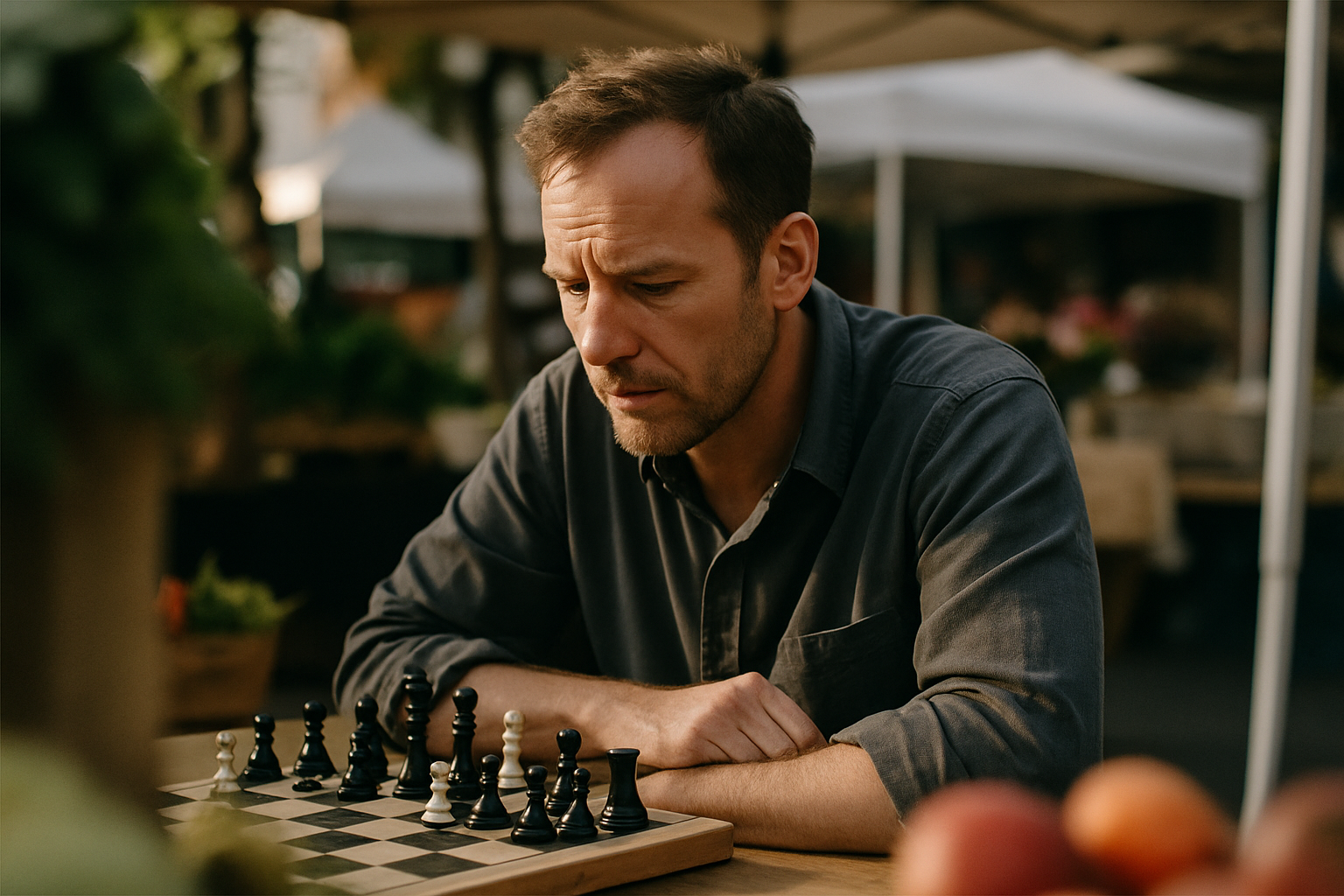
Winning starts long before kickoff. Smart teams study game film not just to analyze themselves, but to decode their opponents. Video reveals the stuff that doesn’t show up on stat sheets how often a team runs a certain set out of a specific formation, which foot a striker favors, how a guard handles full court pressure. Patterns surface, and what once felt unpredictable gets mapped.
Scouting is sharper now because it’s backed by data. Video analysts clip tendencies third down habits, wing isolations, corner traps and coaches build plans that lean into those insights. It’s not guesswork; it’s prep. The best film sessions don’t just tell athletes what to expect they show them. Visuals help players process game plans faster and respond under pressure without overthinking.
The outcome? Athletes don’t just play harder. They play smarter. They anticipate instead of react. Video lets teams walk into any matchup with a strategy tailored to disrupt, adjust, and dominate.
Team Dynamics and Communication
Watch the footage together. That simple move changes the entire tone of team conversations. When everyone sees the same play, from the same angle, misunderstandings go out the window. It’s no longer, “You didn’t cover your man,” it’s, “Here’s what happened, and here’s how we adjust.”
Blame fades. There’s less finger pointing and more problem solving. Video turns feedback into a shared process rather than a top down lecture. It lets players speak up, own their part, and learn in real time.
The long term gain? A culture of accountability that isn’t built on fear. Just clarity. Over time, that shared clarity sharpens communication, tightens teamwork, and makes adjustments faster and smoother both on and off the field.
The Mental Edge
Pressure’s part of the game but video helps athletes carry it better. Watching past performances, both good and bad, takes guesswork out of preparation. Athletes who study themselves in advance know what to expect. They step into competition with a plan, not just hope. Visualization backed by actual footage works better than imagination alone. It grounds prep in reality.
Confidence grows when players can see their own progress. It’s one thing to feel better during drills; it’s another to watch side by side videos showing a clear improvement in speed, form, or decision making. Video builds belief, not just awareness.
And for mindset it’s a difference maker. When athletes learn to see mistakes as data points, not verdicts, they get better faster. You show them where they were, where they are, and what’s next. That kind of visual clarity reinforces a growth mindset. It’s less about perfection and more about potential, proven frame by frame.
Maximizing Every Session
Traditional coaching talks can drag. Explaining a technique flaw with just words often leads to confusion, repetition, and wasted reps. Video shortens that loop. Show a player what went wrong, and they adjust faster. It’s visual learning on demand. Less time explaining. More time fixing.
Video analysis also sharpens overall training efficiency. When athletes can watch footage between sessions, they show up knowing what to work on. No more guessing or spending the first half of practice revisiting what went wrong. It turns every drill into a targeted effort, not just going through the motions.
Modern prep doesn’t mean longer hours. It means smarter ones. Video cuts the fluff, lays out the facts, and helps both coaches and players make sharper decisions. That edge adds up when it’s game time and you’re fresher, clearer, and more dialed in than the other side.
Learn more: How Video Analysis Improves Athlete Skills
Final Take
No matter the level peewee or pro video analysis lifts the standard. It takes the guesswork out of improvement. When athletes can see exactly what happened, what’s working, and what isn’t, they get better, faster. Period.
Consistent video use doesn’t just smooth out the rough edges it builds habits that translate to game time execution. Footwork sharpens. Communication improves. Fatigue doesn’t blur decision making as fast. Why? Because players have seen it before. They’ve trained smarter, not just harder.
Ultimately, talent helps, but it’s not everything. Clarity is. When teams know what to look for, what to correct, and how to respond, they play with confidence. Video is the edge. Not a gimmick a core part of how winners train, think, and win.
 Alfredorique Isom plays an essential role in shaping the scientific foundation of Sport Lab Edge. With a strong focus on biomechanics and athletic conditioning, she helps transform complex sports science into practical tools for performance improvement. Her dedication to precision and athlete well-being has strengthened the platform’s mission to promote effective training and recovery strategies.