
Is the blue waffles condition a real medical issue? No, it’s not. It’s a long-standing internet hoax from the early 2011s.
The claims and images associated with this hoax are graphic and alarming. I’ll explain exactly what the hoax was, where it came from, and why it became so infamous. If you’re concerned or just curious, you can trust that I’ll give you the facts.
Debunking the Myth: What the Hoax Claimed vs. Medical Reality
You might have heard of something called “blue waffles disease.” It’s a hoax, plain and simple. The claims are wild: blue discoloration, a waffle-like texture, and severe symptoms like an STD.
None of this is real. From a medical standpoint, these symptoms are biologically impossible.
The American College of Obstetricians and Gynecologists and the NHS both confirm that no such disease exists.
What about that infamous image? It’s a fabrication, created through photo manipulation.
The original image could have been a separate medical condition or even a non-medical object. It’s all about shock value.
The combination of those bizarre symptoms and the name “blue waffles soa” was designed to spread misinformation. Don’t fall for it.
Where Did the ‘Blue Waffles’ Story Come From?
The ‘blue waffles’ story first popped up around 2010. It started on internet forums like 4chan and early social media platforms.
The main goal was to shock and disgust people. It was a prank, a so-called ‘shock site.’ The name ‘blue waffles’ was chosen because it’s jarring and memorable.
It made the hoax more likely to spread. People would share it, thinking it was something else, only to be grossed out.
Soon, it became a viral meme and a piece of internet folklore. It was often used as a bait-and-switch prank. You’d see a link, click on it, and get a nasty surprise.
This hoax is an early example of viral misinformation in the digital age. It shows how quickly and easily false information can spread online.
The blue waffles soa is a reminder of the internet’s darker side. It’s a cautionary tale about what can happen when we’re not careful about what we click and share.
The Psychology of a Viral Medical Hoax
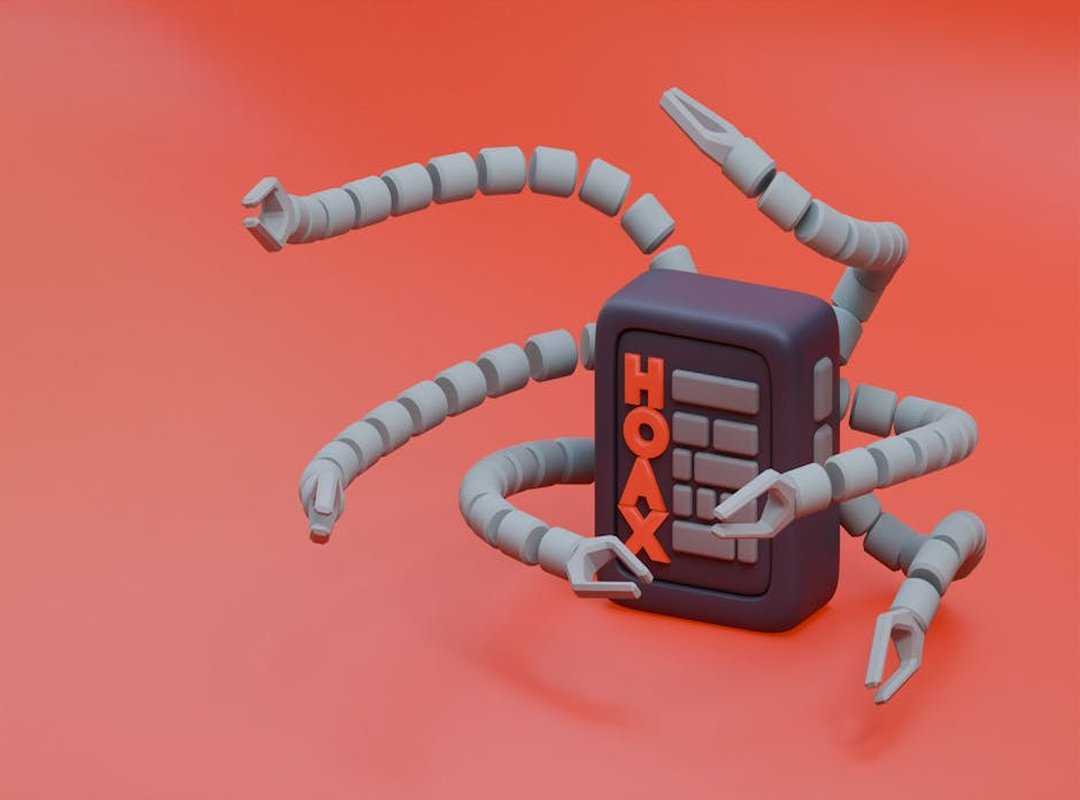
Why do hoaxes that prey on health fears spread so quickly? It’s all about the emotions they trigger. Disgust and fear, for example, are incredibly powerful.
They make content highly shareable.
In the early 2010s, digital literacy wasn’t as widespread. Fact-checking was less common. This allowed stories to circulate unchecked.
People were more likely to believe and share without verifying the information.
Take the “blue waffles soa” phenomenon. It’s a cautionary tale. It shows why it’s crucial to verify any health-related information you find online.
Misinformation can have serious consequences.
This ties into the broader concept of “creepypasta” and modern internet legends. These blur the line between fiction and reality. They often go viral because they tap into our deepest fears and curiosities.
So, how can we avoid falling for these hoaxes? One way is to stay informed. (And not just from any source.) Read up on the latest in science and health.
You can learn more about this by checking out this guide.
By staying vigilant and fact-checking, we can protect ourselves and others from the harmful effects of misinformation.
What to Do If You Have Real Health Concerns
Have you ever felt a bit off and wondered if it’s something serious? It’s natural to worry, especially when you’re experiencing real symptoms like discoloration, discharge, or discomfort. These can be signs of conditions such as yeast infections, bacterial vaginosis, or certain STIs.
But here’s the thing: self-diagnosing via the internet is dangerous and unreliable. Misinformation is everywhere, and it can lead you down the wrong path.
The only way to get an accurate diagnosis and proper treatment is to consult a healthcare professional. Doctors are there to help without judgment. They’ve seen a wide range of conditions, so there’s no need to feel embarrassed or ashamed.
Blue waffles soa might sound like a term you found online, but it’s not a recognized medical condition. Don’t let internet myths scare you. Instead, focus on getting the right help.
Remember, your health is too important to leave to guesswork. Take that step and see a doctor.
Your Next Steps
blue waffles soa is a term that might not be familiar to everyone. It’s important to understand its context and meaning.
 Alfredorique Isom plays an essential role in shaping the scientific foundation of Sport Lab Edge. With a strong focus on biomechanics and athletic conditioning, she helps transform complex sports science into practical tools for performance improvement. Her dedication to precision and athlete well-being has strengthened the platform’s mission to promote effective training and recovery strategies.