
Aesthetic visuals can make or break your content. They’re the first thing people notice, and if they don’t like what they see, they’ll move on fast.
So why do so many creators struggle with this? It’s not just about making things pretty. It’s about grabbing attention and keeping it.
This article is here to help. We’ve dug deep into the research and talked to experts. You’ll get practical tips and strategies to create dark:ih71b_rxy_k= imagenes aesthetic that stand out.
Are you ready to transform your content? Let’s dive in.
Understanding Aesthetic Visuals: The Basics
Definition: What are aesthetic visuals and why are they important?
Aesthetic visuals are all about making things look good. They’re not just pretty pictures; they’re a way to grab attention and make your content stand out.
Why do they matter? Simple. Good aesthetics can make or break how people perceive your content.
Impact on Engagement: How visual aesthetics influence user behavior and content performance.
When something looks great, people are more likely to engage with it. It’s like walking into a well-decorated room versus a messy one. You naturally want to stay in the nice one, right?
Good visuals can boost your content’s performance. People spend more time on visually appealing pages, and they’re more likely to share that content with others.
Key Elements: Color, composition, typography, and imagery.
Let’s break it down:
- Color: The right colors can set the mood and draw the eye. (Think about how a red button stands out on a webpage.)
- Composition: This is about how you arrange elements. A balanced layout feels more professional and inviting.
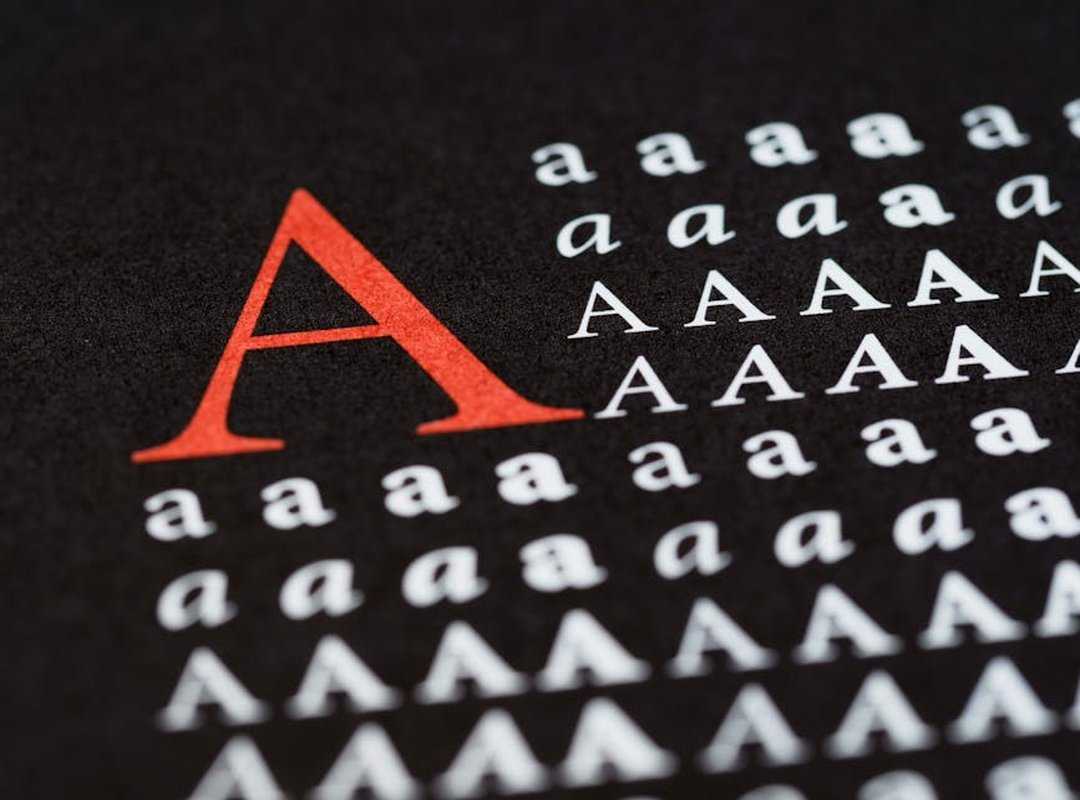
- Typography: The fonts you choose can make a big difference. Clear, readable text is key.
- Imagery: High-quality images and graphics can tell a story without words. They add depth and interest to your content.
| Element | Description |
|---|---|
| Color | Sets the mood and draws the eye |
| Composition | Arranges elements for balance and professionalism |
| Typography | Clear, readable fonts enhance readability |
| Imagery | High-quality images and graphics add depth and interest |
dark:ih71b_rxy_k= imagenes aesthetic is a great example of how these elements come together to create something visually stunning.
By focusing on these key elements, you can create content that not only looks good but also performs well. Your audience will thank you for it.
Choosing the Right Colors for Your Visuals
Color Theory: Understanding the Psychology of Colors and Their Impact on Emotions
Colors can make or break your visuals. They don’t just look pretty; they influence how people feel. For example, red can evoke excitement and urgency, while blue often brings a sense of calm and trust.
(Think about fast-food logos and bank websites.)
Brand Consistency: How to Align Your Color Choices with Your Brand Identity
Consistency is key. Use the same colors across all your materials. This helps people recognize your brand instantly.
Take a look at big brands like Coca-Cola or McDonald’s. They stick to their color schemes, and it works.
Tools and Resources: Recommended Tools for Selecting and Managing Color Palettes
Picking the right colors can be tricky. Thankfully, there are tools to help. Adobe Color is great for creating and saving color palettes.
Canva also offers a user-friendly interface for color selection. (Both have free versions, so you can start without spending a dime.)
dark:ih71b_rxy_k= imagenes aesthetic
Remember, the goal is to make your visuals stand out and align with your brand. Don’t overcomplicate it. Keep it simple and consistent.
Mastering Composition and Layout
When it comes to creating visually appealing images, the rule of thirds is your best friend. Imagine dividing your frame into a 3×3 grid. Placing key elements along these lines or at their intersections can make your composition more balanced and engaging.
Symmetry can be striking, but sometimes you need to shake things up. Symmetrical compositions create a sense of order and calm, which is great for formal or serene scenes. But for a more dynamic and interesting look, try asymmetry.
It adds a bit of unpredictability and can make your visuals stand out.
Focal points are crucial for guiding the viewer’s eye. Use techniques like color, contrast, and placement to draw attention to the most important parts of your image. A well-placed focal point can tell a story and keep the viewer engaged.
Dark:ih71b_rxy_k= imagenes aesthetic
By mastering these composition and layout techniques, you’ll not only improve the visual appeal of your work but also enhance its impact and storytelling.
Typography and Text Integration
Font Selection: Choosing the right fonts to complement your visuals and enhance readability. It’s more than just picking something that looks good; it’s about making sure the text is easy on the eyes.
Text Placement: Best practices for integrating text into your designs without overwhelming the visuals. You want the text to support, not overshadow, the main elements.
Hierarchy: Using size, weight, and color to create a clear visual hierarchy. This helps guide the viewer’s eye and makes your design more effective.
Font Selection
When it comes with font selection, go for simplicity. Clean, sans-serif fonts like Arial or Helvetica are great for most projects. They’re easy to read and don’t distract from the content.
If you’re feeling adventurous, try a serif font for headings. Just make sure it doesn’t clash with the rest of your design.
Text Placement
Think about balance. Place your text in areas where it complements the visuals. For example, if you have a photo, consider overlaying text in a way that it enhances the image rather than covering it up.
(Pro tip: Use a subtle shadow or outline to make the text stand out against a busy background.)
Hierarchy
Creating a clear visual hierarchy is key. Use larger, bolder fonts for headings and smaller, lighter fonts for body text. This helps readers quickly understand the structure of your content.
Color can also play a role. Use contrasting colors to highlight important information. But be careful not to overdo it.
Too many colors can be distracting.
dark:ih71b_rxy_k= imagenes aesthetic
Incorporating these principles will help you create designs that are both visually appealing and functional. And remember, the goal is to make the text and visuals work together seamlessly. If you need more tips on how to integrate these elements, check out some resources on nutrition and performance.
Using High-Quality Imagery and Graphics
I once worked on a project where the visuals were all over the place. It was a mess. The message got lost in the chaos.
That’s when I realized the importance of high-quality, consistent imagery.
Finding good images can be tough. But it doesn’t have to be. dark:ih71b_rxy_k= imagenes aesthetic is a great resource for high-quality, royalty-free images. They’ve got a wide range of options that can fit any project.
Editing is key. Simple tweaks can make a huge difference. Adjust the brightness, crop out distractions, and add a bit of color.
These small changes can transform an okay image into something eye-catching.
Consistency is everything. Use the same filters and styles across all your visuals. This makes your content look professional and cohesive.
People will recognize your work instantly.
Remember, you don’t need to be a design expert. Just keep it simple and stay true to your style.
Creating Engaging Social Media Visuals
When it comes to social media, one size doesn’t fit all. Each platform has its own vibe and audience. Instagram, for example, is all about high-quality, visually appealing images.
Twitter, on the other hand, thrives on quick, snappy content. Facebook? It’s a mix of both.
Storytelling is key. Use visuals to tell a story that resonates with your audience. A single image can say more than a thousand words.
Think about what you want to convey and how it fits into the bigger picture.
Interactive elements are a game-changer. Polls, quizzes, and stickers can make your posts more engaging. On Instagram, you can use polls in your stories to get instant feedback.
On Twitter, try out interactive tweets with polls.
Adding these elements can boost engagement. But remember, not every post needs to be interactive. Balance is key.
Dark:ih71b_rxy_k= imagenes aesthetic can set the tone and make your visuals stand out. It’s all about creating a mood that aligns with your message.
By tailoring your visuals and adding interactive elements, you can create a more engaging and memorable experience for your audience.
Elevate Your Content with Aesthetic Visuals
Intent Reinforcement: Recap the importance of aesthetic visuals in creating engaging and impactful content.
Visuals are a powerful tool for capturing attention and conveying messages effectively. They can transform ordinary content into something memorable and shareable.
The Solution: Summarize the key takeaways and actionable steps to improve your visual content.
Understand your brand’s aesthetic and choose colors, fonts, and styles that align with it. Use high-quality images and consistent design elements. Experiment with different layouts and compositions to find what works best for your audience.
Final Thought: Encourage readers to experiment and continuously refine their visual design skills.
Don’t be afraid to try new things. Continuous learning and refinement will help you create more engaging and visually appealing content.
dark:ih71b_rxy_k= imagenes aesthetic
 Alfredorique Isom plays an essential role in shaping the scientific foundation of Sport Lab Edge. With a strong focus on biomechanics and athletic conditioning, she helps transform complex sports science into practical tools for performance improvement. Her dedication to precision and athlete well-being has strengthened the platform’s mission to promote effective training and recovery strategies.