
When you think about historical photographs, what comes to mind? Maybe old family pictures or famous events. But have you ever considered tartaria fotos antiguas?
These images offer a unique glimpse into a place and time that many of us know little about.
I’ve spent a lot of time researching and curating these photos. Why? Because they tell a story that’s often overlooked.
Each photograph is a window into the past, showing us the rich history and cultural significance of Tartaria.
Do you ever wonder how a single image can change your perspective? These photos do just that. They’re not just pictures; they’re a visual and contextual journey through a fascinating part of history.
So, why should you care? Well, understanding the past helps us appreciate the present and plan for the future. And trust me, these photos are worth your time.
This article aims to give you a comprehensive overview of tartaria fotos antiguas, their context, and why they matter. Let’s dive in.
The Historical Context of Tartaria
Tartaria, a region with a rich and complex history, spans across parts of Eastern Europe and Central Asia. Its cultural background is a blend of various ethnic groups and empires.
Back in the 13th century, the Mongol Empire swept through the area, leaving a lasting impact on the local cultures and political structures. This period saw significant changes in governance and trade.
In the 15th century, the rise of the Ottoman Empire added another layer to the region’s history. The Ottomans controlled large parts of Tartaria, influencing its architecture, religion, and social norms.
The 19th century brought about the decline of the Ottoman Empire and the rise of Russian influence. Russia’s expansion into the region led to new administrative systems and cultural shifts.
tartaria fotos antiguas from this era provide a visual glimpse into the past, showing the diverse influences. The daily life of people during these times.
Understanding this historical timeline helps us appreciate the photographs and the stories they tell.
The Emergence of Photography
Photography in Tartaria started to take root in the mid-19th century. It was a time when the world was rapidly changing, and people were eager to capture moments in a way that paintings couldn’t.
Key Photographers
Some of the pioneering photographers who captured the first images of Tartaria were true visionaries. They saw the potential in this new medium and set out to document the landscapes, people, and culture. Their work, known as tartaria fotos antiguas, is a treasure trove of historical insight.
Techniques and Equipment
The early days of photography were anything but simple. Photographers used large, cumbersome cameras and had to process their images on the spot. Techniques like wet collodion were common, requiring a lot of patience and skill.
The equipment was also quite primitive. Cameras were made of wood and brass, and the lenses were often handcrafted. Despite these limitations, the results were stunning.
So, what’s next? You might be wondering how to get a closer look at these early photographs. Many of them are now preserved in museums and archives.
Visiting these places or checking out their online collections can give you a deeper appreciation for the art and history of early photography in Tartaria.
Photographs from the Late 19th Century (1870-1900)
Urban Landscapes: Let’s dive into the tartaria fotos antiguas and see how cities and towns looked back then. You’ll notice some architectural styles that are still around today, and others that have faded into history. It’s like a time capsule, but with more cobblestones.
Rural Life: Moving to the countryside, you get a glimpse of how people lived and worked. Fields as far as the eye can see, and villages where everyone knew your business. And probably gossiped about it too.
Social and Cultural Events: Festivals, markets, and religious ceremonies were the highlights of community life. These events brought people together, and the photos capture the energy and spirit of the times.
You might be wondering, how do these old photos even survive? Well, proper equipment usage minimizes injury risk, and in the world of photography, it also helps preserve these precious moments.
So, next time you’re scrolling through your digital gallery, remember the effort that went into capturing and preserving these images. They tell a story, and it’s one worth hearing.
Photographs from the Early 20th Century (1900-1930)
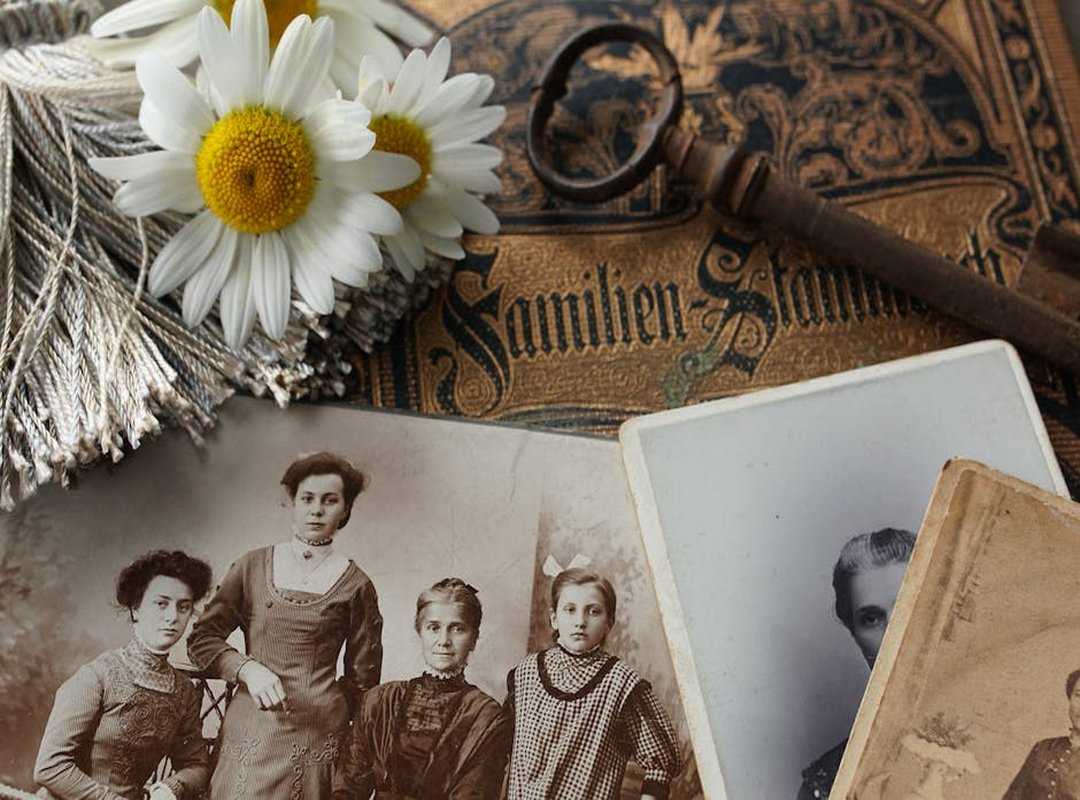
Industrialization and Modernization: Document the changes brought by industrialization, including new factories, transportation, and infrastructure. These photos show how cities and towns transformed, with skyscrapers and bustling streets becoming the norm.
Social Changes: Capture the evolving social landscape, including changes in fashion, education, and daily life. You can see people embracing new styles and technologies, like the first cars and radios.
Political and Social Movements: Highlight photographs related to political movements, protests, and significant social changes. These images capture the spirit of the times, showing people standing up for their beliefs and fighting for change.
Tartaria fotos antiguas offer a unique glimpse into this era. They provide a visual record of how societies adapted to rapid changes. Understanding these photos can help us appreciate the progress we’ve made and the challenges we faced.
Photographs from this period are more than just historical records. They’re a window into the past, helping us understand the context of our current world.
The Enduring Legacy of Tartaria’s Historical Photographs
The article delves into the key themes and periods of tartaria fotos antiguas, showcasing a rich tapestry of historical moments. These images capture everything from daily life to significant events, offering a unique glimpse into the past. They are not just visual records but also vital documents that help us understand the cultural and social dynamics of the time.
By preserving these photographs, we safeguard an essential part of our shared heritage.
 Alfredorique Isom plays an essential role in shaping the scientific foundation of Sport Lab Edge. With a strong focus on biomechanics and athletic conditioning, she helps transform complex sports science into practical tools for performance improvement. Her dedication to precision and athlete well-being has strengthened the platform’s mission to promote effective training and recovery strategies.