
Timing Your Nutrition Window
The First Hour: Prime Time for Recovery
The 30 60 minutes following your workout are often called the “anabolic window.” During this time, your body is most receptive to nutrient intake, making it the optimal period to kickstart muscle recovery and replenish energy stores.
Muscle tissues are more sensitive to nutrients post exercise
Glycogen depleted muscles absorb carbohydrates more efficiently
Protein synthesis rates increase, helping with cell repair and growth
What Nutrient Timing Really Does
Strategically timing your post workout nutrition can:
Minimize muscle soreness in the hours and days after intense training
Speed up muscle repair and reduce recovery time
Rebuild glycogen stores more effectively for your next workout
Timing your nutrition helps your body transition from a catabolic (breaking down) to an anabolic (building up) state faster, allowing for better overall recovery and performance progression.
The Cost of Skipping or Delaying
Neglecting to fuel your body shortly after exercise can lead to a delay in recovery and performance stagnation. Here’s what could happen:
Reduced muscle protein synthesis, which limits growth and repair
Prolonged muscle soreness and fatigue
Lowered energy levels heading into your next session
Inconsistency in post workout nutrition may also increase the risk of injury due to overtraining and insufficient recovery. If you’re serious about long term progress, treating your recovery window as non negotiable is essential.
Protein: Your Repair Foundation
Protein isn’t optional after a workout it’s the backbone of muscle repair and growth. How much do you actually need? Most people fall somewhere between 20 to 40 grams of high quality protein within an hour after training. That range helps trigger muscle protein synthesis without wasting excess.
Fast digesting proteins, like whey isolate or hydrolyzed whey, hit the bloodstream quickly and are ideal if you’re grabbing a shake right after training. They work well because they deliver amino acids rapidly, which is exactly what your muscles are hungry for. On the flip side, slow digesting proteins, like casein or certain whole foods, take longer to absorb. These are better for extended recovery windows say, if it’s your last meal before bed.
For best results, aim for complete protein sources. This means they offer all nine essential amino acids think lean chicken, eggs, Greek yogurt, or a quality protein shake. Vegetarian or vegan? Go for soy, pea rice blends, or tempeh.
Bottom line: match your protein type to your timing and goals. Fast after a workout, slow when you need sustained recovery.
Carbs: Recharging the Tank
After an intense workout, your muscles are depleted of glycogen the primary form of stored energy your body relies on during activity. Replenishing those stores quickly can significantly improve recovery, reduce fatigue, and prepare you for your next training session.
Why Replacing Glycogen Matters
Glycogen is your muscles’ main fuel source for moderate to high intensity exercise
Low glycogen levels can lead to muscle breakdown and prolonged soreness
Fast replenishment enhances recovery and helps maintain training performance
Delaying carb intake post exercise can slow recovery and reduce your gains over time. Prioritizing this nutritional window ensures your body rebounds efficiently.
Simple vs. Complex Carbs: Know the Difference
Not all carbohydrates are created equal. The type of carb you consume after a workout can affect how quickly your body refuels.
Simple carbs (e.g., fruit, white rice, honey): spike insulin and promote faster glycogen storage
Complex carbs (e.g., oats, sweet potatoes, quinoa): provide longer lasting energy but digest more slowly
Best approach? A mix of both. Simple carbs jump start recovery, while complex carbs support sustained repair.
Pairing Carbs with Protein: The Recovery Combo
Consuming carbs alone helps, but combining carbohydrates with protein amplifies recovery benefits:
Increases insulin response, improving nutrient transport into muscle cells
Enhances muscle protein synthesis when protein is included
Reduces muscle soreness and improves endurance for your next session
Ideal ratio: Aim for around 3:1 or 4:1 carbs to protein for optimal results. For example:
Greek yogurt with berries and granola
Chocolate milk
A protein shake with a banana and oats
Fueling your muscles properly after training isn’t just about what you eat it’s about timing and smart combinations.
Hydration Isn’t Optional
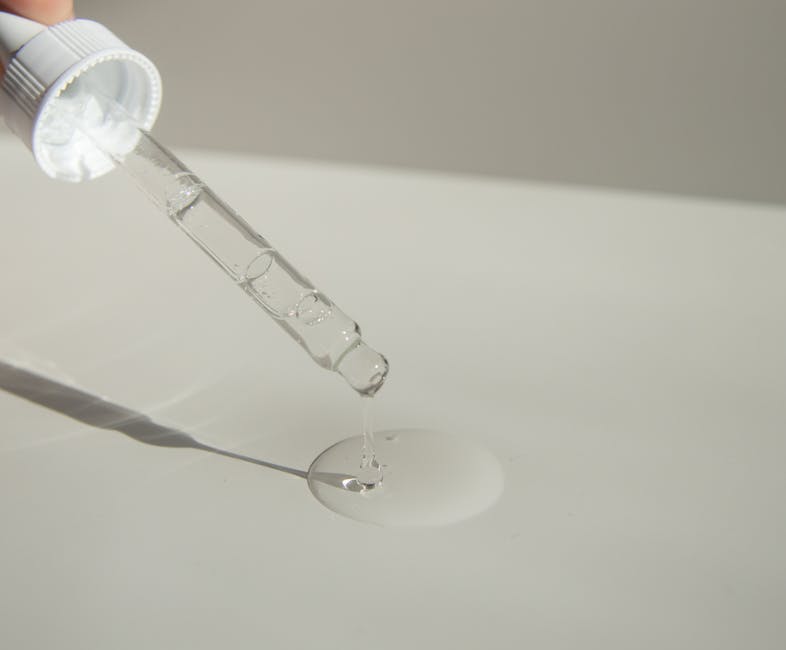
If you’re only drinking water after a hard training session, you’re missing half the equation. Sweat doesn’t just drain water it flushes out key electrolytes like sodium, potassium, magnesium, and calcium. These minerals keep your muscles firing, your nerves signaling, and your body absorbing fluids efficiently. Rehydrating means restoring both water and those lost minerals.
That’s why serious recovery includes electrolyte rich fluids. This could be a hydration powder, a sports drink with low sugar, or even salt and citrus in your water bottle. The goal isn’t just to quench thirst it’s to reset your system’s balance.
Signs you haven’t rehydrated properly aren’t always obvious. Low energy hours later, muscle cramps, dizziness, or a foggy brain can all point toward dehydration. If your urine is dark or your skin feels dry even after a shower you’re probably behind.
Bottom line: Water is the start, not the solution. Real recovery needs real balance.
Smart Supplementation
Supplements can support not replace a solid nutrition strategy. So when should you reach for them? If you’re hitting workouts hard multiple times a week or struggling to recover between sessions, it might be time to consider BCAAs and creatine. BCAAs (branched chain amino acids) can help reduce muscle soreness and improve recovery speed, especially during cutting phases or fasted training. Creatine is well documented for strength and muscle gains, best used consistently and combined with resistance training.
Omega 3s (typically from fish oil) come into play if inflammation is slowing you down. They support joint health, reduce soreness, and even boost heart function. You could get some of these benefits from whole food fatty fish like salmon or mackerel but if those aren’t staples in your diet, a supplement makes sense.
Don’t overlook natural anti inflammatory foods either. Turmeric, ginger, dark leafy greens, and berries pull their weight in keeping inflammation in check. Real food still matters.
As for caffeine timing is key. A bit of pre workout caffeine can boost performance, but too much post workout might interfere with rest and recovery. If you’re training late in the day, skip the stimulants afterward. Recovery needs sleep, and caffeine isn’t on friendly terms with that.
Bottom line: supplement to support your recovery goals, not to shortcut them.
Complete Recovery Foods
Refueling your body after a workout doesn’t have to be complicated but it does need to be intentional. The right foods can jumpstart muscle repair, replenish energy stores, and reduce post exercise fatigue.
Easy Post Workout Meals and Snacks
Here are some go to meal ideas that combine protein, carbohydrates, and healthy fats to support a full recovery:
Post Workout Meal Ideas:
Grilled chicken breast with sweet potatoes and asparagus
Salmon bowl with brown rice and avocado
Turkey and veggie wrap with a side of fruit
Snack Options for Quick Recovery:
Greek yogurt with berries and a drizzle of honey
Peanut butter on whole grain toast
Cottage cheese with pineapple chunks
Each option supports muscle regeneration while helping your body restore essential nutrients lost during your workout.
Real Foods vs. Shakes: What’s Better?
Both real foods and shakes can get the job done but the ideal choice depends on your needs, routine, and digestion.
Benefits of Real Food:
Offers complete macro and micronutrients
Supports longer lasting satiety
Contains fiber and antioxidants often missing in powder based options
Benefits of Protein Shakes:
Fast and easy to prepare
Convenient for on the go routines or early morning workouts
Quickly digested especially useful for those with limited appetite post exercise
Tip: A blended smoothie made with fruit, protein powder, nut butter, and a bit of oats can strike a balance between whole food nutrition and convenience.
For a more detailed breakdown of recovery food options and recipes, check out our full recovery foods guide.
Common Mistakes to Avoid
The biggest post workout nutrition errors are often the easiest to fall into. First up: under eating or worse, skipping meals entirely. You might think you’re saving calories, but in reality, you’re starving your muscles of the nutrients they need to rebuild. This slows down recovery, increases fatigue, and can even sabotage your gains over time.
Another misstep: over relying on processed supplements. Protein powders and electrolyte drinks have their place, but they shouldn’t be your main course. Real food delivers a broader range of nutrients and is more satiating. Think of supplements as a bridge, not the foundation.
Lastly, not tailoring your nutrition to your workout intensity is a silent killer of progress. Light yoga doesn’t demand the same fuel as a heavy lifting session. Your intake needs to match your output. Ignoring that difference holds you back.
The fix is simple, not fancy: eat enough, think whole foods first, and adjust to the type of work you just put in.
Wrap Up: Make Recovery a Habit
Perfection is overrated. When it comes to post workout nutrition, what really counts is showing up consistently. A perfect macro balanced meal isn’t always realistic after every session but grabbing something that helps your body start recovering is. Do that regularly, and you win the long game.
The goal isn’t to become a nutrition robot it’s to build a routine that works within your real life. Whether that’s a smoothie you can make in 90 seconds, a meal prepped wrap, or just a protein bar and a banana, choose options you can sustain. The best plan isn’t the flashiest one it’s the one you’re going to stick to, even on tough days.
Recovery doesn’t need to mean expensive ingredients or exact timing down to the minute. It’s about staying fueled, staying hydrated, and staying consistent. Find your rhythm, make it part of your training, and keep it simple.
Dive deeper into suggested meals and snack ideas in our recovery foods guide.
 Calyrith Dravenlance, the founder of Sport Lab Edge, is passionate about advancing sports science and helping athletes reach their full potential. With a strong background in performance research and athletic development, he created the platform to connect scientific knowledge with practical training. Through his vision, Sport Lab Edge delivers evidence-based insights that empower athletes to improve performance, recover effectively, and prevent injuries.